
Himalayan Hunzakuts
Four and a half centuries after the first Olympics, Alexander the Great (356-323 Β.C.) set his army off to conquer the known world. And he did. At the end of his conquest in India, some of his generals who had taken wives along the way knew they would likely never return home to Greece or retire to civilian life so they could simply raise a family in peace.
You see, Alexander burned all the bridges that could return his army back to Greece. He did that because he was crazy with ambition and wanted his army to go on fighting and conquering forever.
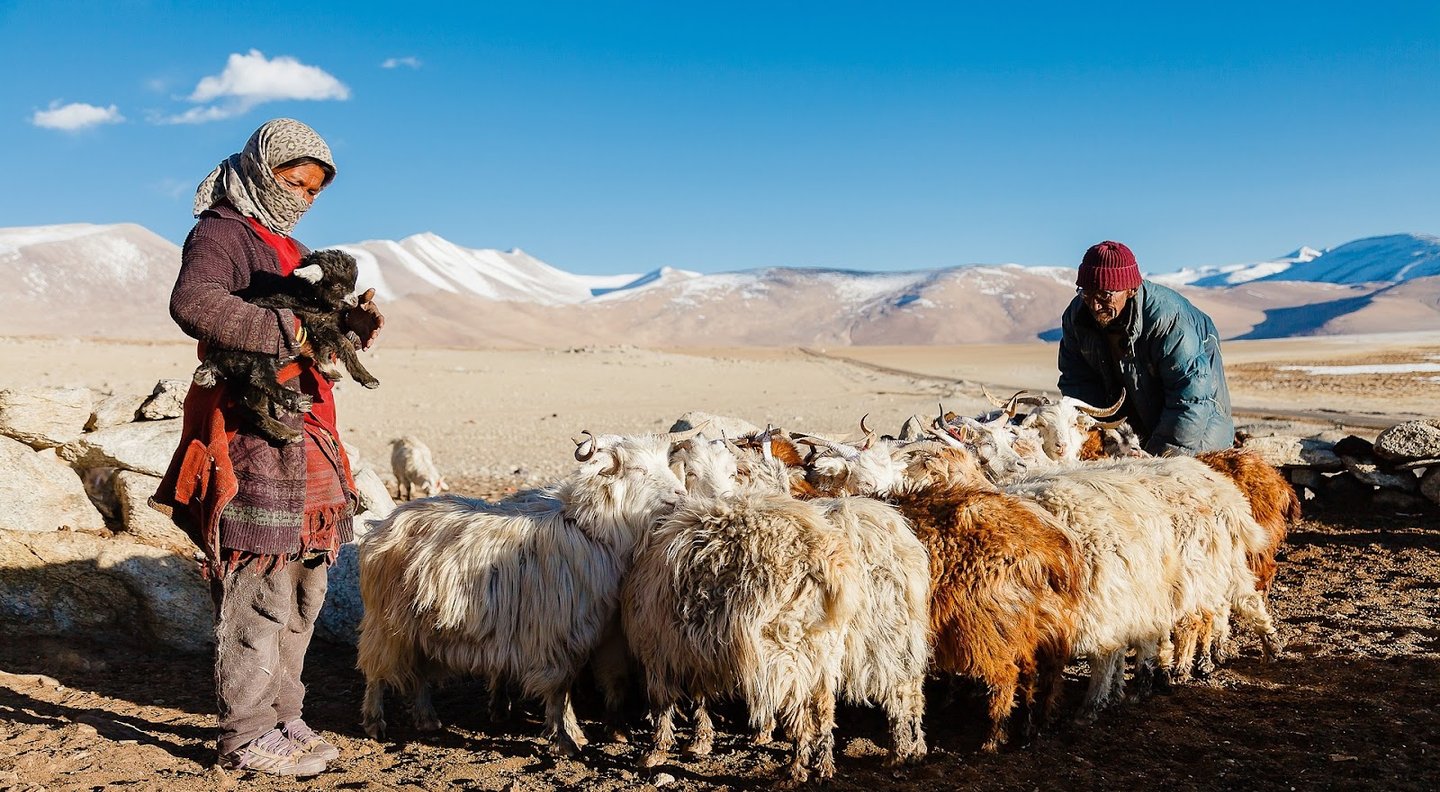
Fed up after many years of this kind of relentless dictatorship, a significant group of them decided to make a well-planned effort to go AWOL. They knew from the start that they had to flee to the most remote region possible, making it so that they and their families could never be found. They all knew what the price would be if Alexander ever found them. So, according to Hunzakut legend, they fled into the most remote extreme elevations (~8,000 feet above sea level), into a valley surrounded by the highest Himalayan Mountains. This region where they settled is now called Hunzaland. Present day Hunzaland is now located in extreme NW Pakistan.From this point forward, their powerfully expressive Greek genes were to develop optimized human performance, but also extreme human longevity. This gene pool would become an “autochthonous” culture, meaning as their generations ensued, they never mixed with other cultures for over two thousand years. However, this autochthonous adherence that generated extreme longevity required a precise set of circumstances, (a) remoteness, (b) a precise combination of mineral rich-waters, together with (c) extremely fertile soils, (d) all enjoying pristine purity. Today it has been established with modern DNA analysis that the Hunzakuts (Burusho) are indeed the descendants of the ancient Greeks via the conquests of Alexander the Great.
As the Hunzakut legends record, these Greek family mutineers eventually located what they thought would be a most perfectly remote and highly defensible region to settle. There, they decided to make it their new home, to make their last stand if necessary, living out a life of self-determined freedom at any and all costs. As stated above, they settled in a high mountain valley at an altitude of over 7,999 feet. This valley was surrounded by a defensive cloak of mountains on all sides. Only the narrowest of passage ways to gain access from the south provided an entry doorway into the Hunza valley the perfect defensive terrain for easily preventing Alexander’s army from tracking them down. This otherwise uninterrupted ring of mountains extended upwards into the 25,000-foot level. Basically, there was just one low altitude entrance to their flank, and one low altitude exit to their front, which is now the most western border to present-day China).
These warriors learned to most skillfully master defensive strategies taking advantage of these most narrow and extraordinarily steep mountain pathways. This also led to perfecting their strength and endurance even more than ever before (physical fitness is essential to gaining extreme longevity). As the generations of their offspring ensued, they taught and led their children to do the same and acquire an extreme thriving longevity.
As the generations of their offspring ensued, they taught and led their children to do the same and acquire an extreme thriving longevity.The low oxygen content of the air made these Greeks adapt to extract and maximize metabolically utilizing available oxygen. Their VO2 levels must have been nearly beyond measure. Together with the incredible physical fitness and high VO2, these Hunzakuts achieved cardiovascular health and endurance no invading army could challenge. This also led to their culture achieving no heart disease or other chronic illnesses so common today.
Save perhaps for the Abkhasians 3,000 miles away living in the high foothills of the Caucasus Mountain range, the Hunzakuts were among the most accomplished of the long-living human cultures ever comprehensively studied.
The Hunzakut lung, heart and muscular capacity simply became monstrous in terms of how we civilized folks live our lives in bodies so puny in comparison. Those that kept their immune systems strong through fasting and herbal medicines, would ensure their future generations grew in immune strength, as opposed to diminishing in immune strength. Those that did not learn to properly fast and use select herbal teas (known as Hunza tea) were eliminated from the reproducing Hunzakut population.
For superior nutritional replenishment, the Hunzakuts extracted out of the waters and land every ounce of nutrition. They built elaborate terraced farmlands on the sides of their steep mountains.
The Greeks were comprised of some of the best engineers, agrarian experts, craftsmen and tool makers
known in those days.
They easily developed irrigations systems that carried unto their multi-tiered, south-facing terraced farmlands super colloidal mineral rich, high Zeta-potential water.
And this enabled their farmlands to grow regenerative nourishments. They especially favored sprouts and early baby lettuces as part of their longevity replenishment practices.
This band of warrior Greeks would have possessed all the known Greek agrarian technologies, craftsmanship, tool making skills and knowledge of their day. And this great cultural advantage would have established advanced farming methods that included well- engineered irrigation systems and soil fertility techniques way more superior to anything we have in this modern era. Their crops, animals and human cell physiology thrived fantastically. Natural selection dictated both the fall and rise of their lineage according to the proper practice of the stewardship of their land. And this led to the ultimate perfection of the human constitution.
And this Greek system of evolving an autochthonous long-living culture was able to be perfected in closer to their motherland. For example, another ancient Greek culture perfected another Shangri-La in the high elevations on the Greek Island of Ikaria just southeast aways off of Athens. Even up to our present today, the Ikarians enjoy the highest number of robust and healthy nonagenarians (90+ year olds) per capita in the known world.
But let’s travel back now in time, jumping all the way back to 323 В.С., and then time-traveling up nearly 2,200 years into the early part of the last century, and then most precisely into the time period stretching from 1900 to 1940.
1900-1940 – Overview of the physique & constitution of the pristine traditional adhering Hunzakuts or pta-Hunzakuts) by Major-General Sir Robert McCarrison (1878-1960). McCarrison was a British Surgeon who spent over thirty years living among the pta-Hunzakuts studying their longevity lifestyle, unique soil fertility, exquisite health, dietary replenishment, and these combined factors inducing each of their respective impacts upon the pta-Hunzakut constitution who all thrived into extreme longevity.
Toward the end of his career, McCarrison served as the King of England’s physician. He became knighted for his dauntless and impeccable scientific work as reflected in the adjoining book. By 1930, McCarrison had elucidated the exact set of pristine factors, traditional practices and ecologic conditions that blessed the pta-Hunzakuts and endowed them with a near perfect human constitution.
Early in his career, he proved via thousands of rat studies that their superior dietary replenishment was laden with super-rich colloidal regenerative factors (cRFs or longevity replenishment™). Such longevity replenishment came from the incredible mineral rich, proteinaceous soils prevalent in the Hunzaland multi-tiered terraced farmlands. Once compelling example of Hunzakut super food replenishment were their apricot orchards, which provided apricot fruit, apricot seed oil and cancer checking apricot kernels.
Later, George T. Wrench (The Wheel of Health) was to comprehensively review the qualities to the Hunzaland soil and link this knowledge base with the most renowned researchers in soil science of his day, such as William Albrecht (also see below), Sir John Orr (On Minerals in Pastures), Sir Albert Howard (The Waste Products of Agriculture), and Professor FH King (Farmers of Forty Centuries). This body of work then subsequently established the optimal reference standards for super soil fertility, an absolute requirement for deriving optimal levels of cRFST™ in the dietary.
However, even before McCarrison arrived on the extreme NW of India to conduct his studies, Biddulph (cited by Wrench) documented that civilization was already encroaching upon the pristine traditionally adhering people. That began in earnest sometime between 1880 and 1911. This infiltration arrived in at least two forms:
(A) By the British’s road project utilizing superior road construction techniques (they wished to open commercial trade from southern India into China), and by…
(B) Gradual infiltration of modern food technologies, which compromised the delicate pta-Hunzakut traditional food chain.
Thus, with the (1) new additions of non-Hunza people now freely able to immigrate into the region, plus (2) the slower infiltration of British dietary practices upon the unsuspecting primary traditional adhering Hunzakuts (or pta-Hunzakuts), there arose an ever incrementally growing sub-population of both in Hunzaland. And as their descendants ensued, both these (a) “imposter” and (b) non-primary traditional adhering people in Hunzaland continued to call themselves Hunzakuts. For the purposes of the remainder of our discussion, we will call this dual constituent sub-population “non-pta-Hunzakuts.”
The telltale sign of these non-PTA-Hunzakuts would have been their inferior constitutions. In other words, for those trained in constitutional analysis (AKA Body Mass Index BMI and Anthropometrics), the subject’s constitution tells all!
Those that immigrated into Hunzaland would obviously possess inferior constitutions to the original autochthonous pta-Hunzakuts. McCarrison meticulously documented that. But those Hunzakuts who allowed themselves or their children to slowly abandon their time-honored and proven pta-longevity lifestyle, necessarily lost their superior human constitutions. It might take years or even a generation or two for this abandonment of their strict pta-longevity lifestyles to fully degrade a family’s constitutional lineage.
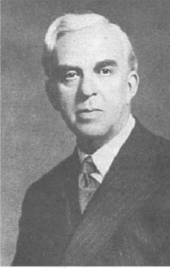
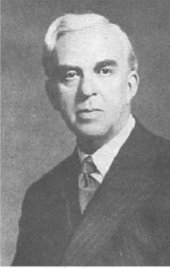
Major General
Sir Robert McCarrison, MD
Hence, as studies proceeded over the decades by follow-on anthropologists, unsuspectingly “compromised data” would incrementally accrue with each passing generation. Hence, follow-on anthropologists’ observations would be seen as more and more contrary to McCarrison’s original findings. Prophetically, McCarrison warned of this phenomenon he termed “cumulative data corruption”. Nonetheless, his warning would fall on deaf ears within the academic anthropology community. In summary, all during this degradation process, season after season of newly arriving anthologists would be unknowingly victimized by “cumulative data corruption” phenomena. This phenomenon was a blind spot in their methodology of studying the Hunzakuts. Cumulatively over the decades, similar to one bad domino in the chain of research, one falls into the blind-spot, and the follow-on researchers all follow suit.
In contra-distinction from this error of being blind-sided by “cumulative data corruption”, both McCarrison and later Weston A. Price (see next section below) conducted extensive independent animal experiments to validate the pta-longevity lifestyle practices.
(A) They undertook these studies in accordance with foods collected and prepared exactly as do pta-peoples living in their pristine environments.
(B) These experiments were controlled, that is, one group received the optimal super food replenishment prepared according to pta-peoples’ practices. The control group was fed the same foods, but grown and prepared conventionally, as was and still is common in human civilization.
Results were startling.
The first set of animals flourished exhibiting: (i) resilient thriving health with next to no disease observed), (ii) significant fitness, plus (iii) muscular physiques.
The other groups fed foods of the same composition, only grown and prepared as in modern civilization, clearly were:
smaller,
obese,
weaker looking and
susceptibility to common diseases well-known to plague the selected animal group.
Anthropometric measurements confirmed the stunted nature of these non-optimal animal constitutions.
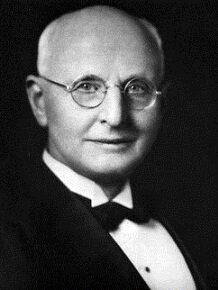
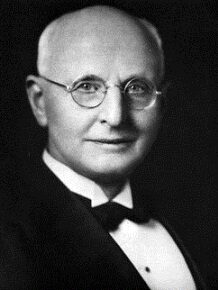
Weston. A Price, DDS
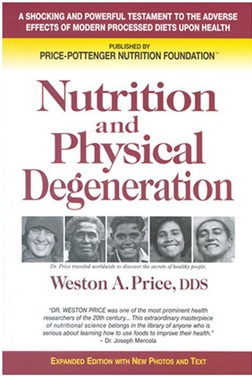
Beyond this use of actual anthropometrics and BMI, only Price began documenting human race degeneration via photographic records. He demonstrated repeatedly the effects of incremental degradation on the dental arches and jaw lines of members of pta-peoples who had adopted the ways of civilization. McCarrison would use his famous lectures to convey his clinical observations in the field of how much superior the pta-Hunzakuts were to other tribes and people. But without an actual methodology on how future investigators should follow-up these observations made by both men, this vital aspect to properly track OPS went no further.
Unfortunately, none of the future follow-on investigators traveling to the pristine regions of pta-peoples possessed or studied detailed historical records of exactly what characteristics had been their awesome BMI and Anthropometrics at the height of the Hunzakut culture. The original investigators, such as McCarrison and Price, were never trained in formal Constitutional Analytics, which over this same time frame had emerged in earnest in Italy (1880-1930). What a miss had either had such data, this would have changed the face of medicine.
In the absence of such Body Mass Index (BMI) and Anthropometric data, this encroachment would necessarily confuse the many follow-on researchers who began to question the longevity and vigor of the peoples living in Hunzaland, notably John Clark (1909-1994). Clark was a geologist, not a physician or anthropologist, who fell victim to “cumulative data corruption”. He remained oblivious to his blindness for well over the 20 months he spent living among its people. Clark published a well cited book in 1957 entitled, Hunza Lost Kingdom of the Himalayas. Clarks book is but one of the plethora of publications gone awry with blind spots. McCarrison, who was still alive at the time of Clark’s publication, would have been most amused that Clark had manned a drug dispensary for these non-pta-peoples then inhabiting Hunzaland. Pta-Hunazas would never had needed drugs to keep their health together, with the exception of emergency trauma supplies in case of a fall.
Of course, what Clark was actually seeing, but not recognizing it, was not a single season of constitutional degradation, but rather the end of the overall movie of the declining constitutional degradation process. In the absence of proper constitutional analysis data that in theory could have been initiated in 1882 forward, how could Clark have realized these were members of the ever-growing sub-population of Hunzaland, and not the pta-Hunzakuts?
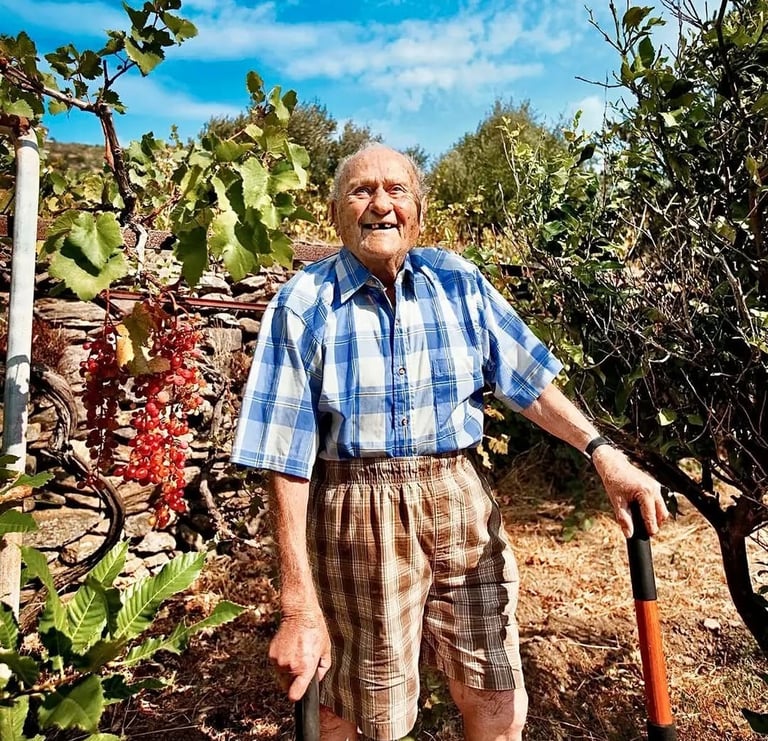
Documented by National Geographic magazine, the Ikarian centenarian shown was raised in America starting at age 5. As he grew into his fifties, Stamatis developed terminal cancer at the age of 54. He then returned to his Ikarian island homeland to die with family. But they put him to work gardening and practicing their longevity lifestyle. As a result, Stamatis went on to live for another 48 years. As I previously stated, pta-Hunzakuts rarely, if ever, required modern medicine of any kind, as comprehensively documented by McCarrison. So, we must place into correct context what the following statement truly means:
McCarrison’s 30 years embedded among predominantly pta-Hunzakuts still in the early to early-intermediate stages of the encroachment process (~1901-1931).
Both observed the Hunza health status but it was the context of these observations that mattered most. Although Clark apparently received training approximating that of an army medic, McCarrison was among the best trained and experienced physicians and surgeons in the world at that time to appraise the health status of the peoples living Hunzaland.
McCarrison knew full well if he was treating an immigrant living in Hunzaland, verses a pta-Hunzakut. As McCarrison was well aware, if the pta-Hunzakut fell ill, they would simply use traditional herbal medicines and fasting to get well. Exceptions would include broken bones or other traumas, which McCarrison was an expert at setting.
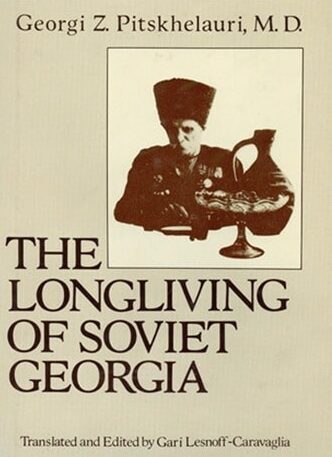
Some examples of these otherwise exceptional researchers besides McCarrison or Price, would have been NG Bennet, ZA Medvedev, EB Palmore, and GZ Pitskhelauri. Pitskhelauri’s +30 year exhaustive pta-people investigations are exceptional and a landmark the meticulously details true longevity lifestyles at its best.
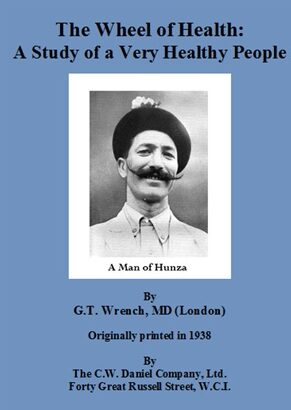
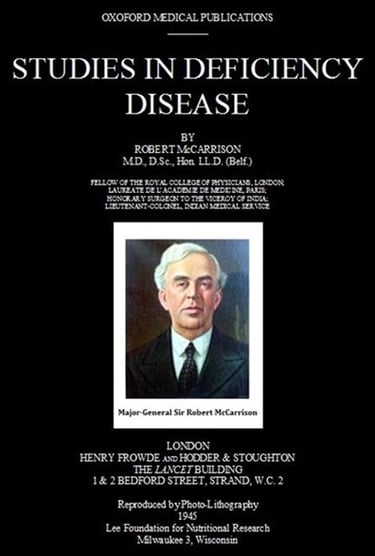
Let’s end this section with a great example of the fact our image was created after God, and that we are designed to thrive into longevity as stated in Genesis chapter 6. In the words of McCarrison, he wrote:
My own experience provides an example of a race, unsurpassed in perfection of physique and in freedom from disease in general, whose sole food consists to this day of grains, vegetables, and fruits, with a certain amount of milk and butter, and meat only on feast days. I refer to the people of the State of Hunza, situated in the extreme northernmost point of India. So limited is the land available for cultivation that they can keep little livestock other than goats, which browse on the hills, while the food supply is so restricted that the people, as a rule, do not keep dogs.
They have, in addition to grains — wheat, barley, and maize an abundant crop of apricots. These they dry in the sun and use very largely in their food. Amongst these people the span of life is extraordinarily long; and such service as I was able to render them during some seven years spent in their midst (McCarrison’s first embedding) was confined chiefly to the treatment of accidental lesions, the removal of senile cataract, plastic operations for granular eyelids, or the treatment of maladies wholly unconnected with food supply.
Appendicitis, so common in Europe, was
unknown. When the severe nature of the winter in that part of the Himalayas is considered, and the fact that their housing accommodation and conservancy arrangements are of the most primitive, it becomes obvious that the enforced restriction to the unsophisticated foodstuffs of nature is compatible with long life, continued vigour, and perfect physique.”
The resilience of these pta-Hunzakut constitutions could, in theory, be divided into three demarcations or categories:
(A).Those which experienced essentially disease-free living up till the age of 90;
(B). Those who experienced minor or gradual declines in disease-free living past the age of 90 (the long-living); and…
(C). Those who lived to be over 120 years of age and generally only experienced a rapid decline in disease-free living when entering into their last few months or year of life (i.e., the extreme long-living).
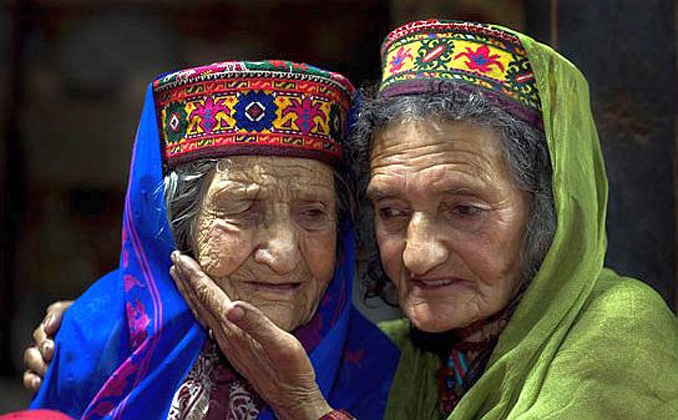
Facial aging patterns indicate two women 100 & 80 years of age
Contact
NAVIGATION
725 Addison Road, Slinger, WI 53086
About
Our board & alliances
MID projects
Membership
Blog